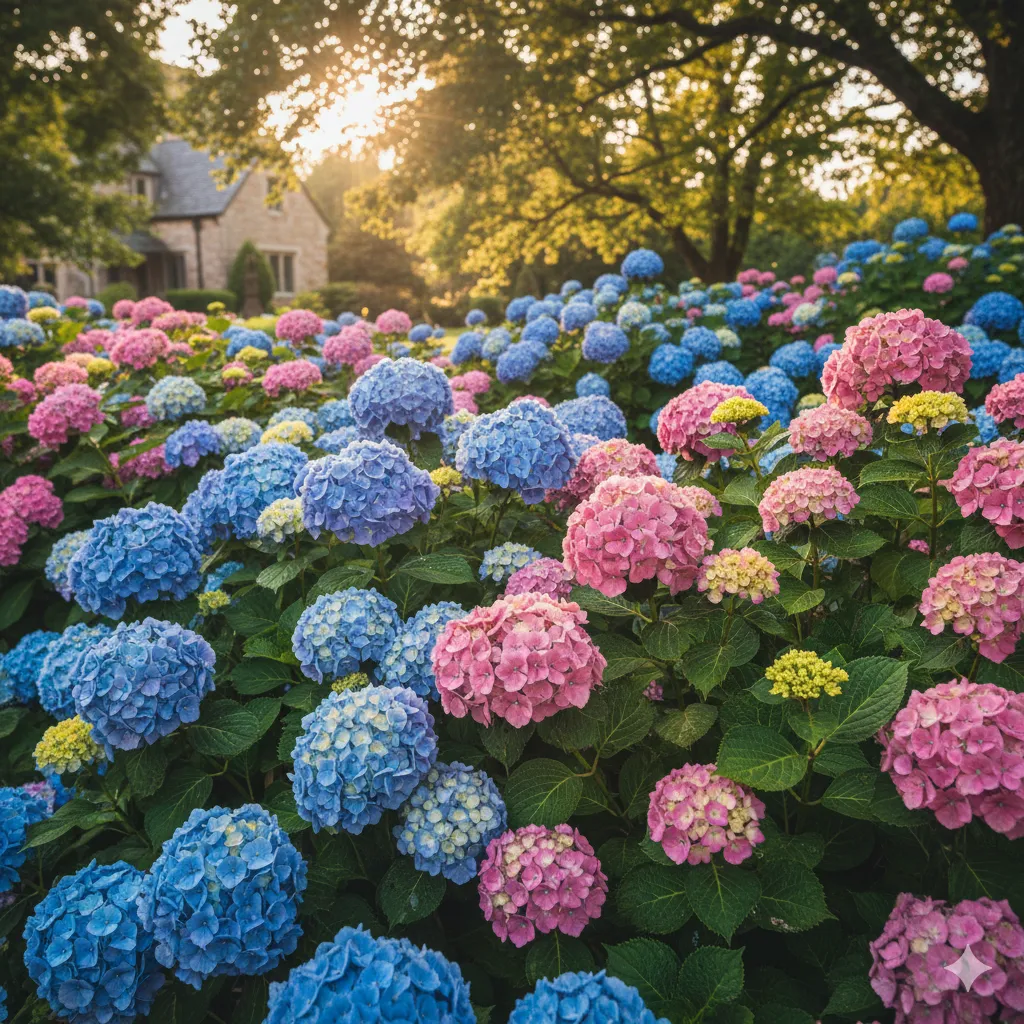
Discover practical advice for growing and maintaining beautiful plants that thrive in the Chagrin Falls climate.
These hardy plants return year after year, providing lasting color and texture with minimal effort once established.
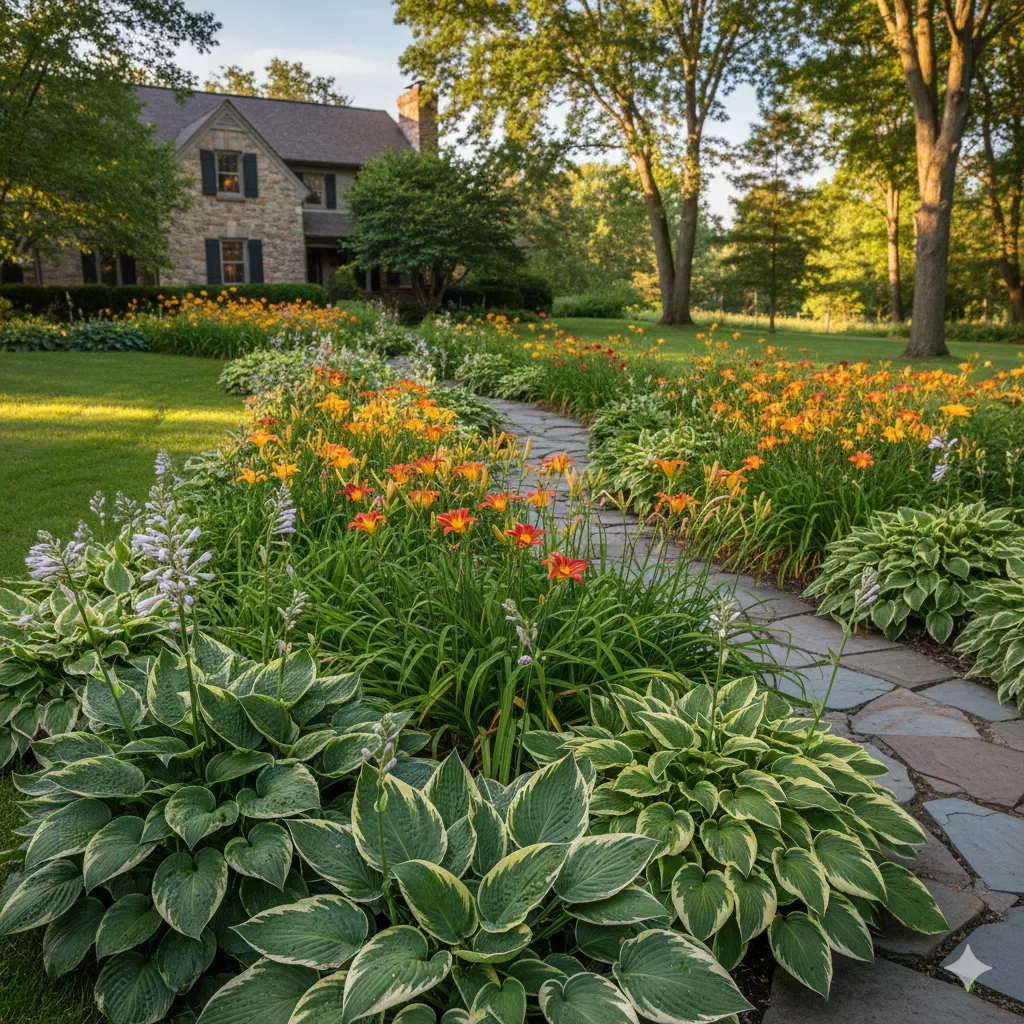
Ideal for shaded areas, hostas offer lush foliage in various shades of green, blue, and variegated patterns. They prefer moist, well-drained soil and benefit from organic mulch to retain moisture. Divide clumps every few years to maintain vigor and fill in bare spots.
Best conditions: Partial to full shade, consistent moisture, protection from slugs in humid weather.
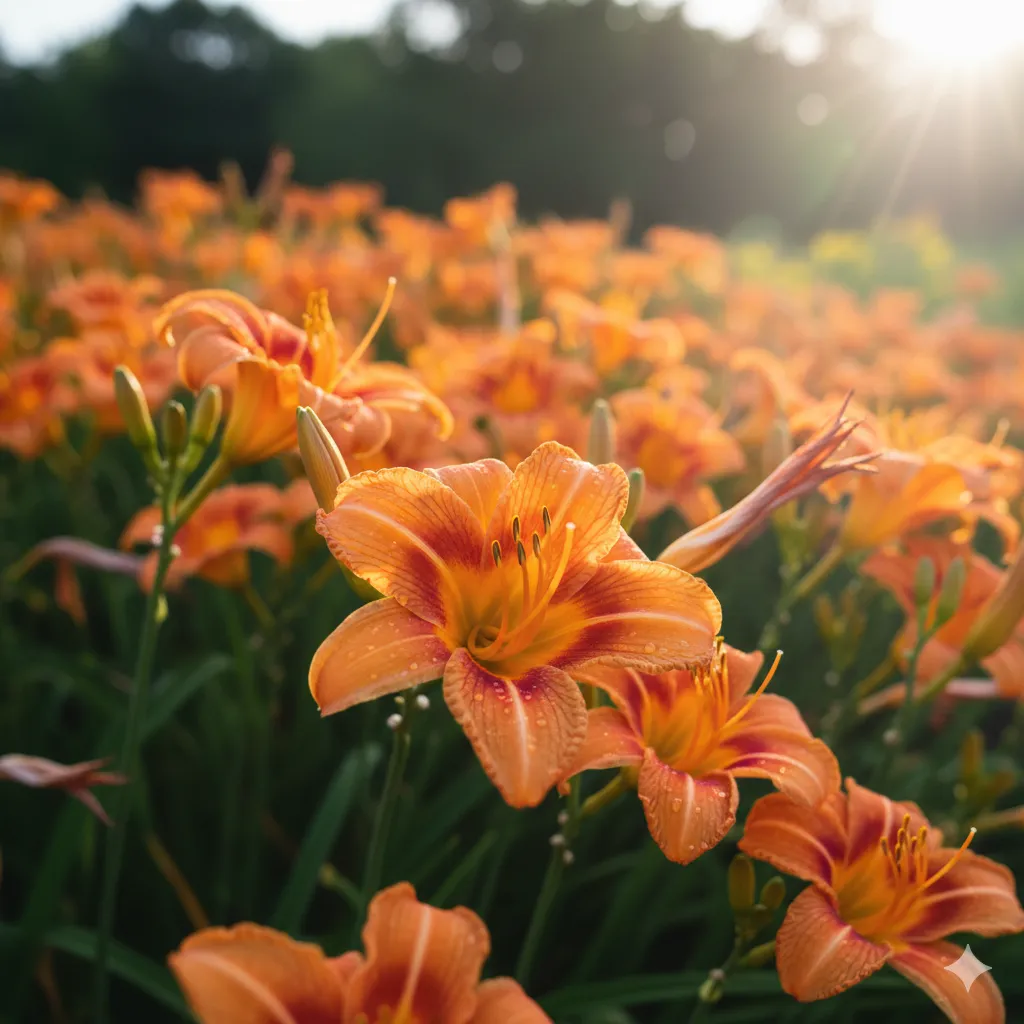
Tough and adaptable, daylilies produce colorful blooms throughout summer. They tolerate a range of soil types and require minimal care once rooted. Deadheading spent flowers encourages continued blooming, while dividing overcrowded clumps every three to four years rejuvenates growth.
Best conditions: Full sun to partial shade, average soil, drought-tolerant after establishment.
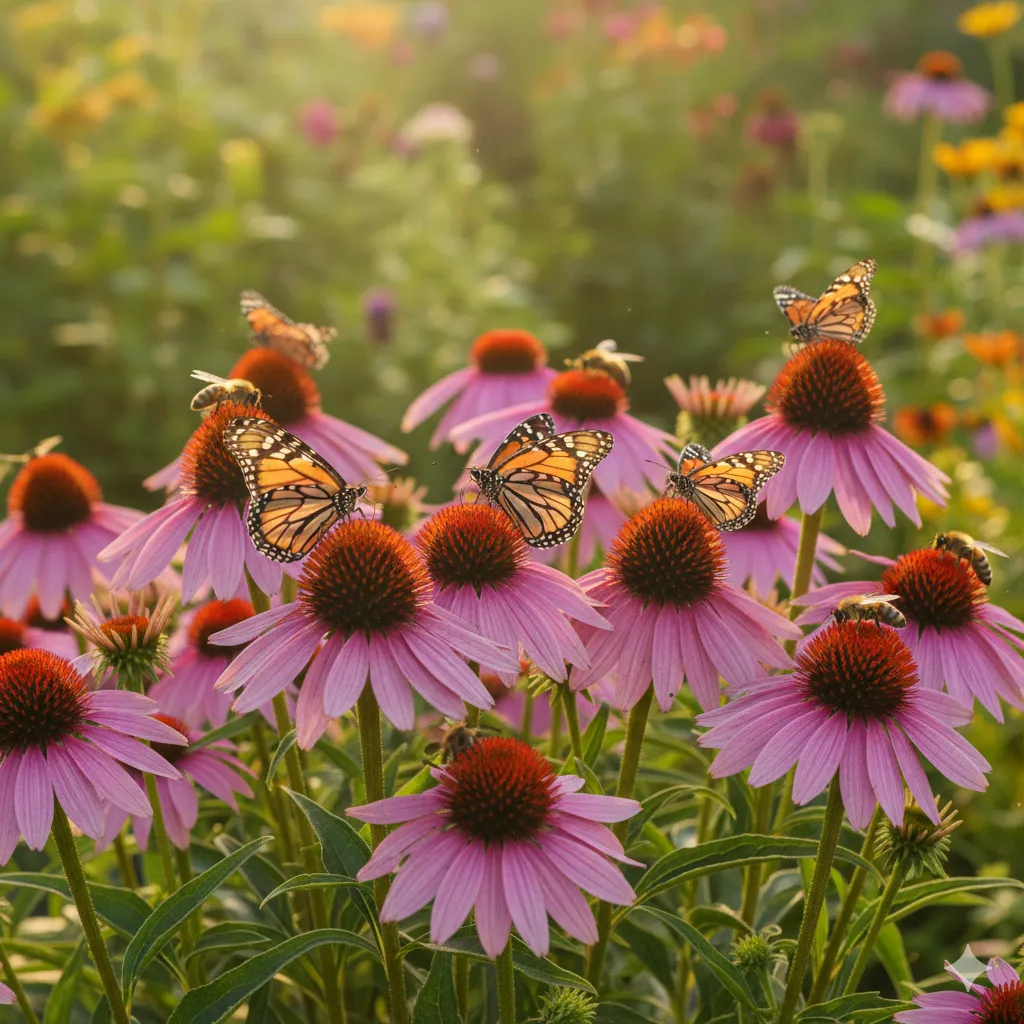
Native to North America, coneflowers attract pollinators and add cheerful blooms from mid-summer into fall. They thrive in well-drained soil and full sun, resisting deer and tolerating dry spells. Leave seed heads standing in winter to provide food for birds.
Best conditions: Full sun, well-drained soil, minimal fertilizer for best performance.
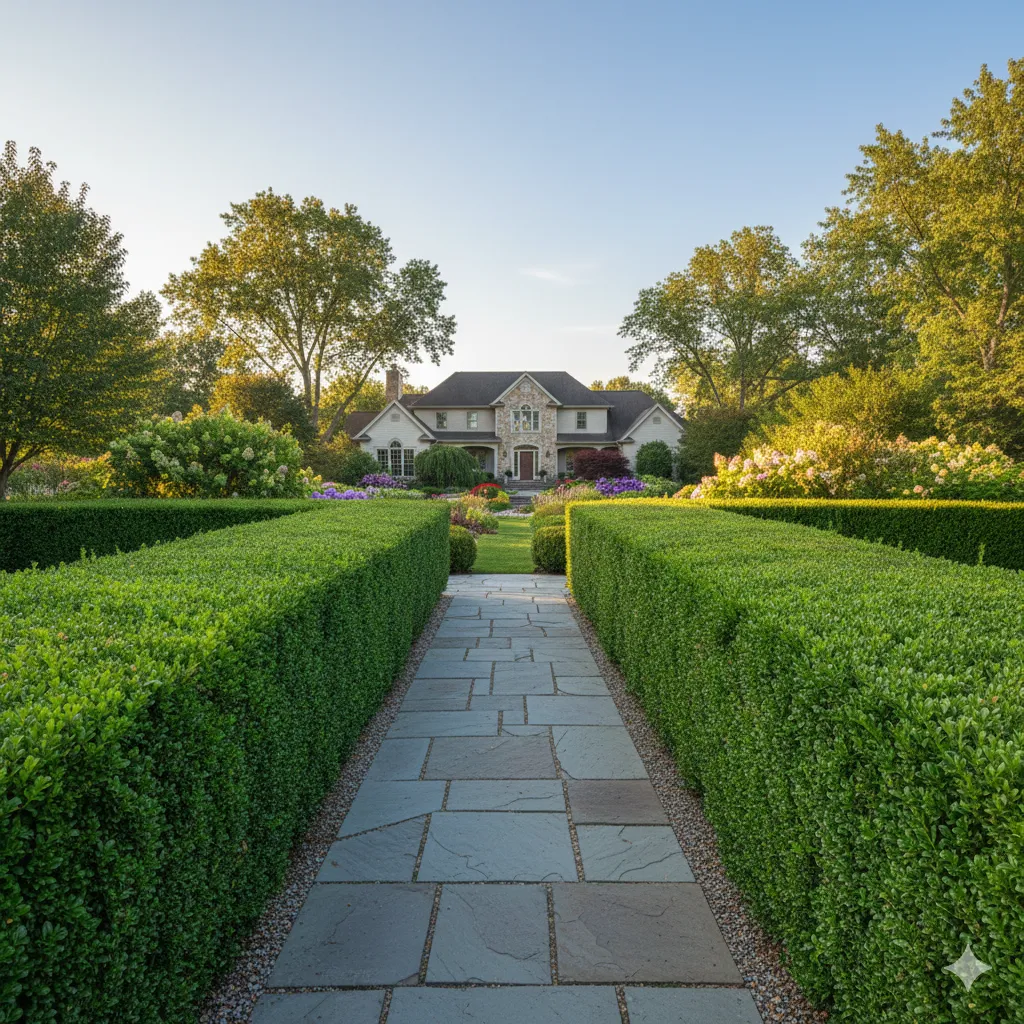
Evergreen and deciduous options that provide structure, privacy, and year-round interest around your home.
Classic evergreen shrubs perfect for formal hedges or foundation plantings. Boxwoods appreciate slightly acidic soil and benefit from mulching to keep roots cool. Prune in late spring after new growth hardens off, and water deeply during dry periods to prevent stress.
Best conditions: Partial shade to full sun, protection from harsh winter winds, consistent moisture.
Beloved for their showy summer flowers, hydrangeas come in varieties suited to different light levels. Most prefer morning sun and afternoon shade, along with rich, moist soil. Prune timing depends on the variety, so identify your type before cutting back.
Best conditions: Partial shade, regular watering, acidic to neutral soil for best bloom color.
Follow these guidelines throughout the year to keep your plants healthy and your landscape looking its best.
Remove winter debris, cut back dead perennial growth, and apply fresh mulch to suppress weeds and retain moisture. Early spring is ideal for dividing summer and fall-blooming perennials before active growth begins.
Monitor watering needs as temperatures rise, especially for newly planted specimens. Deadhead spent blooms to encourage more flowers, and watch for pests or disease that thrive in warm, humid conditions.
Plant spring-blooming bulbs, divide spring-blooming perennials, and continue to water until the ground freezes. Rake leaves regularly to prevent smothering grass and groundcovers.
Apply extra mulch around tender plants after the ground freezes to insulate roots. Brush heavy snow off evergreens to prevent branch damage, and avoid using salt near plantings.
Choosing plants native to Ohio supports local ecosystems while reducing maintenance requirements for your landscape.
Native plants evolved to thrive in local rainfall patterns, often requiring less supplemental irrigation once established compared to exotic species.
Local plants have natural defenses against regional pests and diseases, reducing the need for chemical interventions in your garden.
Native species provide food and shelter for birds, butterflies, and beneficial insects, creating a balanced and vibrant outdoor environment.
Common plant problems and practical solutions to help you address issues before they become serious.
Often a sign of overwatering, nutrient deficiency, or poor drainage. Check soil moisture levels and consider a soil test to identify missing nutrients. Adjust watering frequency and improve drainage if needed.
May indicate insufficient light, compacted soil, or root-bound conditions. Evaluate the plant's location and consider relocating shade-lovers to brighter spots or transplanting to larger areas.
Inspect plants regularly for chewed leaves, discoloration, or webbing. Hand-pick larger pests when possible, and use targeted organic controls for widespread infestations rather than broad-spectrum chemicals.
Can result from improper pruning, too much nitrogen, or insufficient sunlight. Verify your plant receives adequate light, adjust fertilizer ratios, and research correct pruning times for your species.
Have questions about plant selection or care? Our team at Dloxarinjrax is here to provide personalized guidance for your landscape.
touch@dloxarinjrax.world
We use cookies to enhance your experience. By continuing to visit this site you agree to our use of cookies. Learn more